Crispy skin, tender interior, and an aroma that fills the entire kitchen. Find out how to roast meat in a roasting pan so that it retains its juiciness and full flavor. We share tips on how to prepare the meat, choose the right temperature and roasting time, and when it is best to roast it covered.
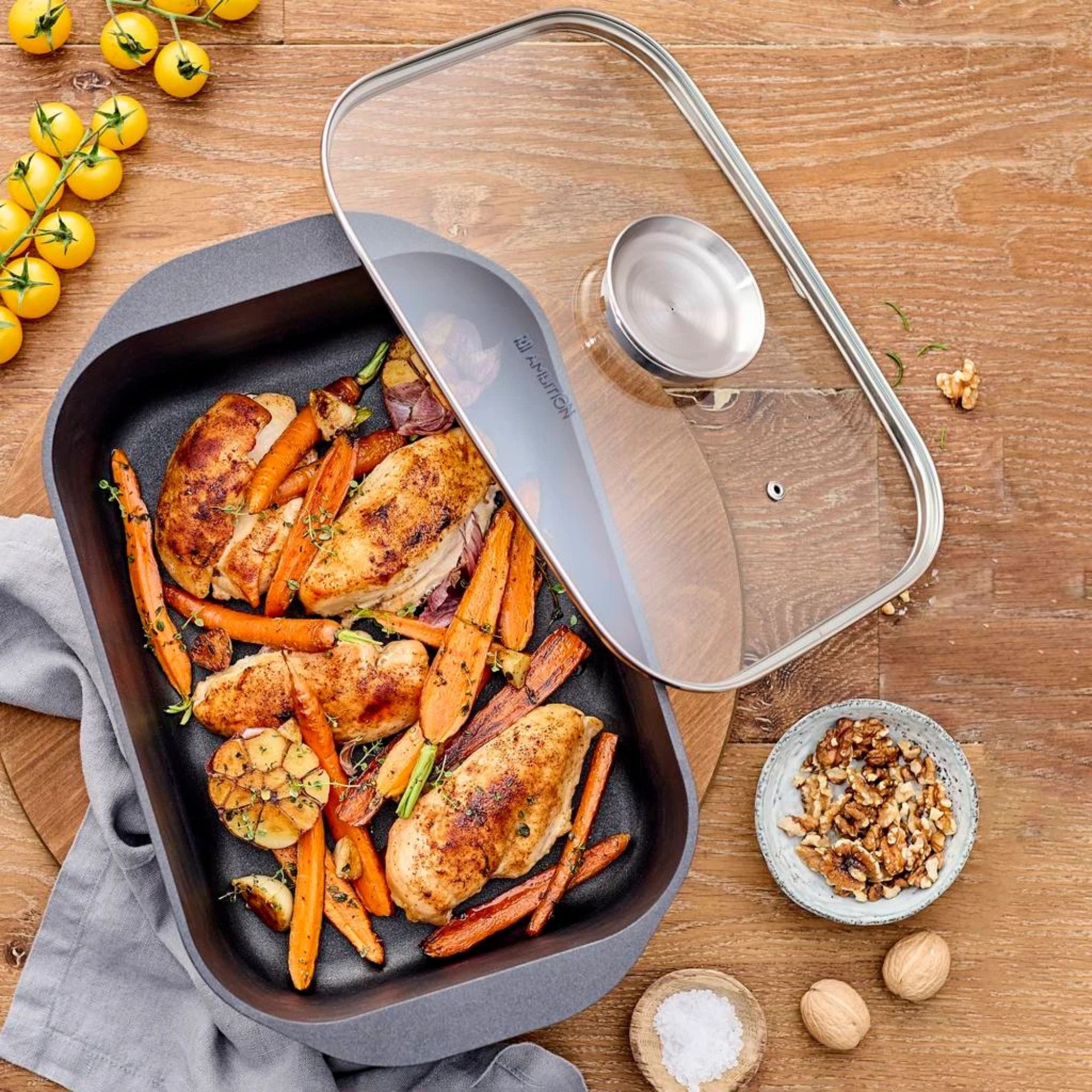
The aroma of roasted meat, herbs, and vegetables filling the kitchen instantly creates a cozy, home-cooked dinner atmosphere. However, a well-prepared roast does not require complicated techniques. All it takes is choosing the right cut of meat, temperature, and roasting time, and the oven will do most of the work for you.
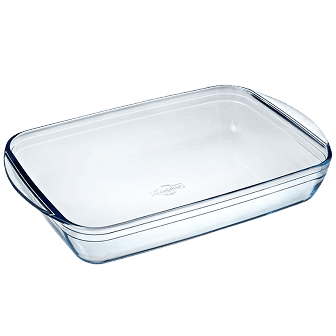
A roasting pan is particularly useful when you want to prepare a larger portion of meat, roast it together with vegetables, or preserve as many natural juices and flavors as possible. How to roast meat in a roasting pan so it turns out tender on the inside and appetizingly browned on the outside? A few simple rules make a big difference.
A successful roast starts even before placing the roasting pan into the oven. It is worth taking the meat out of the fridge in advance so it isn't completely cold when roasting begins. Next, pat it dry with a paper towel. This allows the seasonings to adhere better to the surface and helps the meat brown more easily. A classic marinade requires just olive oil or oil, salt, pepper, and aromatic additions. Garlic, rosemary, thyme, marjoram, or sweet paprika pair well with many types of meat. In autumn, it is also worth reaching for mustard, honey, prunes, or a splash of apple juice. If you have more time, you can marinate the meat a few hours ahead. Preparing it in the evening and leaving it overnight in the refrigerator allows the flavors to penetrate deeper inside.
This is one of the most common questions when preparing a roast. The answer mainly depends on the effect you want to achieve. Roasting covered helps reduce moisture loss. Steam stays inside the roasting pan, allowing the meat to cook in a more humid environment. This method works especially well for larger cuts of meat and longer cooking times. If you also want a golden, browned exterior, you can remove the lid near the end of roasting. The final 15 to 30 minutes uncovered will give the meat an appetizing color. So you don't have to pick just one method. Very often, the best results come from combining both approaches: first, gentle roasting under a cover, followed by a short browning period without the lid.
There is no single temperature suitable for every type of meat. Both the species, size, and the specific cut matter.
In home cooking, a range of 160–190°C usually works best. Lower temperatures and longer cooking times favor slow roasting of larger cuts, while higher temperatures allow you to get a browned surface more quickly. These values should be treated as a starting point. Roasting time depends on the weight of the meat, its shape, the presence of bones, and your specific oven.
170–180°C - slow, even roasting
160–180°C - depending on the cut and the desired degree of doneness
180–190°C - good browning of the skin
170–180°C - slower fat rendering
170–180°C - maintaining juiciness is particularly important
One of the biggest advantages of roasting in a roasting pan is the ability to prepare an entire dinner in a single vessel. You can place potatoes, carrots, parsley root, onions, celery, or pumpkin chunks around the meat. During roasting, the vegetables absorb the aroma of the spices and meat juices, gaining an intense flavor. You can also add a small amount of liquid to the roasting pan. Broth, water, apple juice, or another addition tailored to the recipe helps maintain a moist environment during longer roasting. However, you do not need to drown the meat; usually, a small amount at the bottom of the vessel is enough. Whole garlic cloves and sprigs of fresh herbs are also great additions. Under the influence of temperature, they gradually release their aroma, creating a natural sauce base.
The biggest enemy of a juicy roast is overcooking. Therefore, instead of relying solely on the time given in the recipe, it is worth observing the meat and taking its actual size into account. Letting it rest after removing it from the oven is also important. You should not slice the roast right away. Leaving it for about fifteen minutes gives the juices time to redistribute evenly inside the meat. A roast sliced immediately after coming out of the oven can lose significantly more moisture. Roasting a larger cut whole rather than dividing it before putting it in the oven is another good solution. A smaller surface area exposed to high temperatures helps reduce drying out.
Roasting in a roasting pan works particularly well when preparing dinner for several people. Instead of cooking side dishes separately, some of them can be arranged directly next to the meat. A classic combination would be a roast with potatoes, carrots, and onions. In the autumn, it is also worth trying pumpkin, apples, or plums. Their mild sweetness pairs especially well with pork and poultry. This method of cooking also offers a more practical daily benefit: fewer dishes to prepare and less washing up after dinner. While the meat roasts quietly in the oven, you can set the table or simply enjoy some free time.
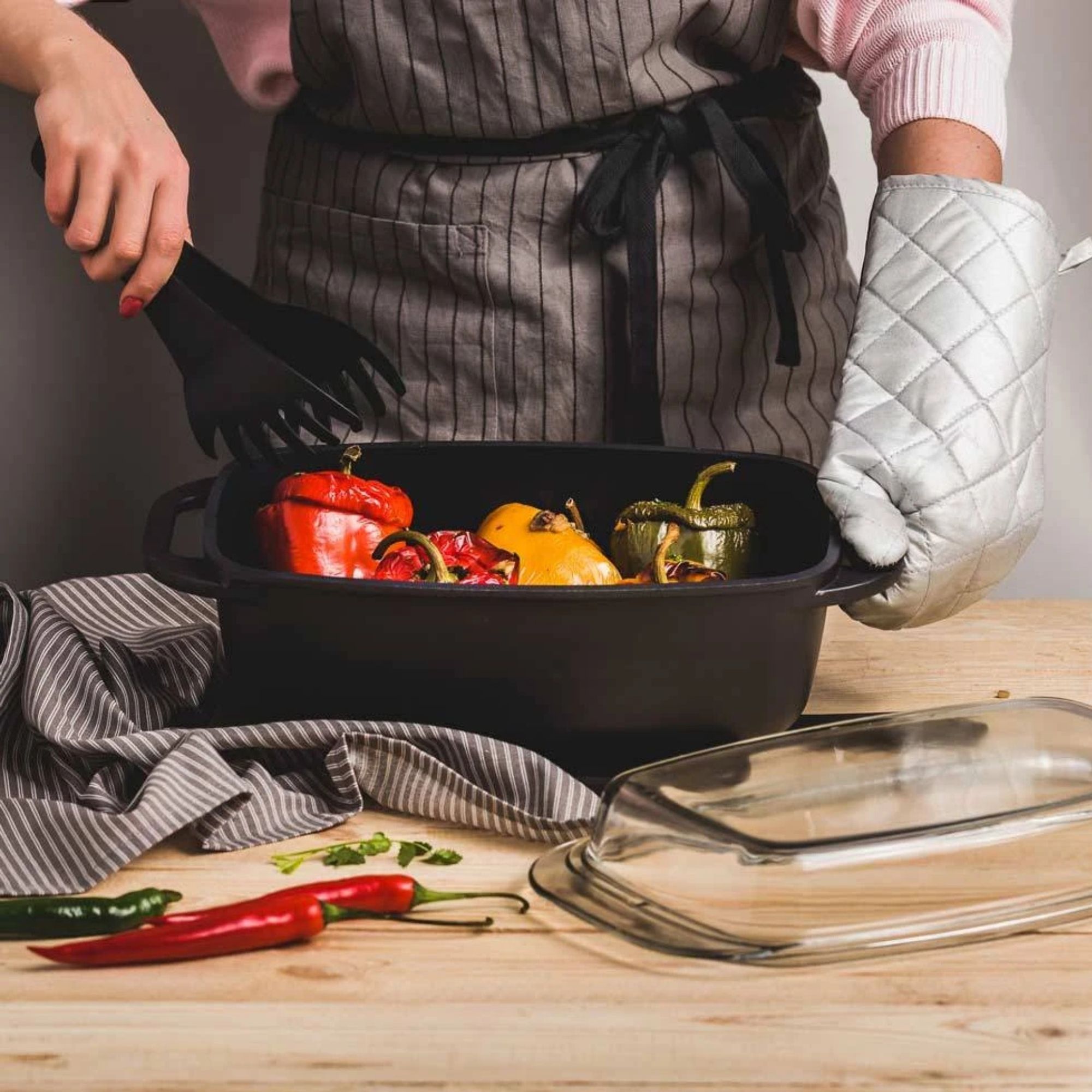
Even a simple roast can end up dry if we make a few basic mistakes. Most often, the problem is setting the temperature too high for the entire cooking time. The meat browns quickly on the outside, while the center still needs time. It is also not worth opening the oven repeatedly. Each time, the temperature inside drops, disrupting even baking. Another mistake is skipping the meat's resting time. A dozen or so minutes of patience before slicing can determine whether the roast will be juicy. It is also worth remembering that the roasting pan should be matched to the size of the portion being prepared. You can leave room in the dish for vegetables and sides, but the meat should not get lost in too large a space.
Roasting meat in a roasting pan does not require many complicated steps. Well-seasoned meat, aromatic vegetables, the right temperature, and time are enough to prepare a dinner that works just as well for everyday meals as it does for gatherings around a larger table. It is worth experimenting with side dishes and using what is currently in season. In autumn, this could be pumpkin, apples, and root vegetables; in winter, bolder spices; and in warmer months, fresh herbs. A properly chosen roasting pan allows you to prepare meat together with side dishes and make use of the natural juices released during roasting. And when the oven takes over most of the work, all that is left is to wait for the moment when the aromatic roast goes straight to the table.