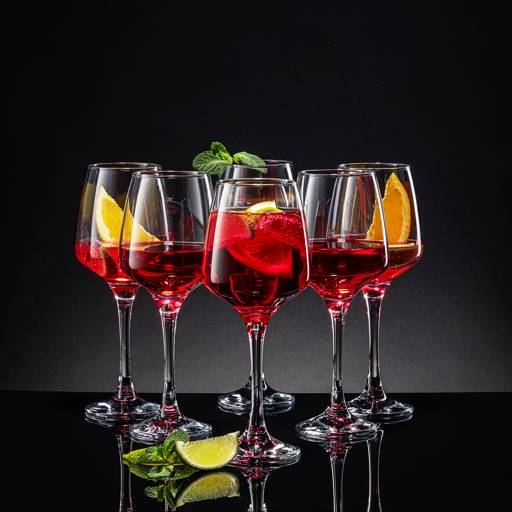
Types of glasses and the question of which glasses to choose for what is one of the most common dilemmas when completing a home dinnerware set. Although they may seem similar at first glance, in practice each glass has a specific purpose that genuinely affects the taste, aroma, and perception of the drink. Well-chosen glasses elevate the meeting, highlight the character of the beverage, and make even a simple dinner more elegant. In this guide, we explain step by step which glasses are used for what, how they differ, and which ones are worth having in your dining room.
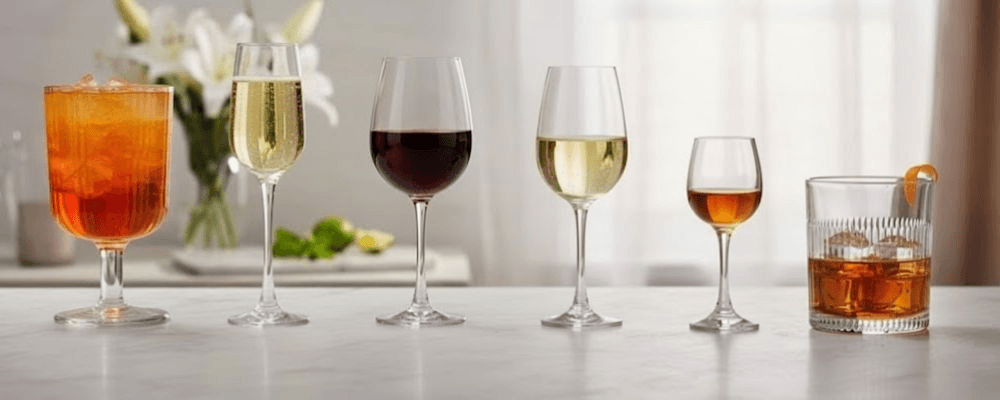
It's not without reason that glasses differ in height, bowl width, or stem length. Each of these elements affects:
The bowl is responsible for aroma concentration, the stem protects the drink from being heated by the hand, and the glass thickness affects the mouthfeel. Hence, serving wine in the wrong glass or whisky in a random tumbler can deprive the drink of its best qualities.
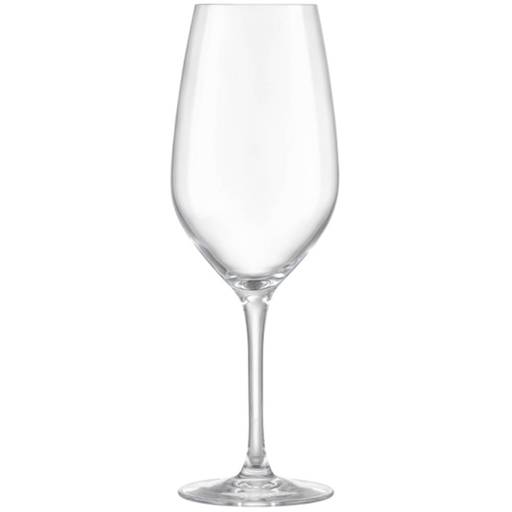
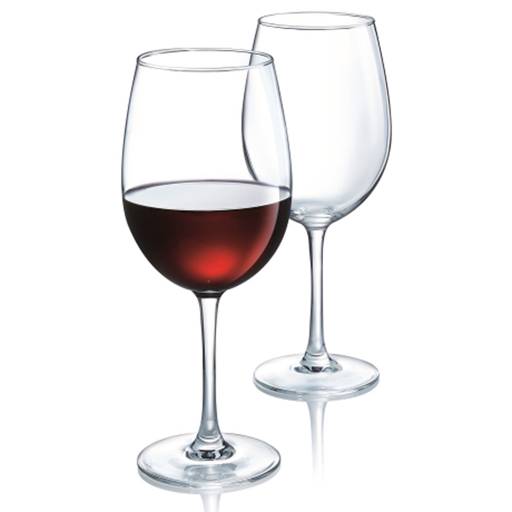
Red wine glasses are larger, with a wide and rounded bowl. This shape allows aeration of the drink, which is crucial for the full development of aromas. Characteristic features:
Best suited for wines such as Cabernet Sauvignon, Merlot, Shiraz, or Pinot Noir. In this type of glass, the wine "breathes," and its bouquet becomes more distinctive.
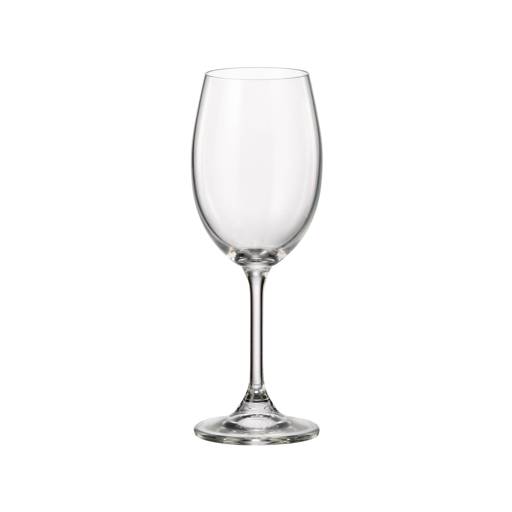
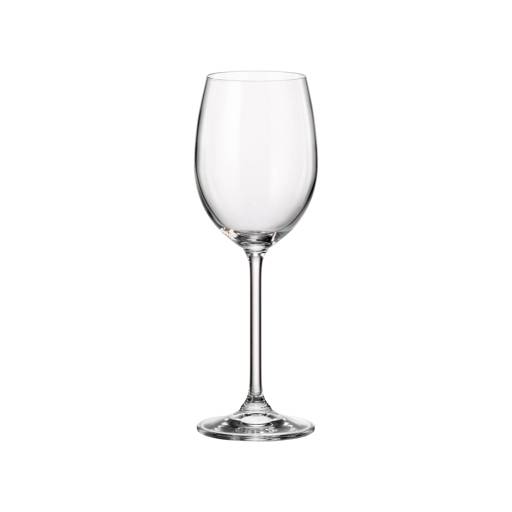
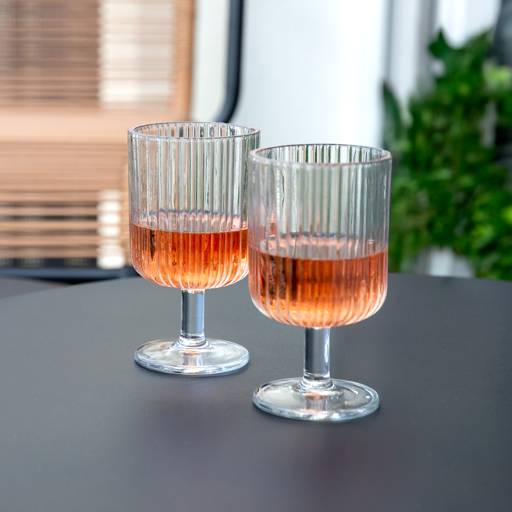
White wine requires a slightly different setting. White wine glasses are slimmer and smaller to maintain the appropriate temperature of the beverage and emphasize its freshness. Features of white wine glasses:
Ideal for wines such as Sauvignon Blanc, Riesling, or Chardonnay. Thanks to its slim form, aromas do not dissipate too quickly, and the wine stays cool longer.
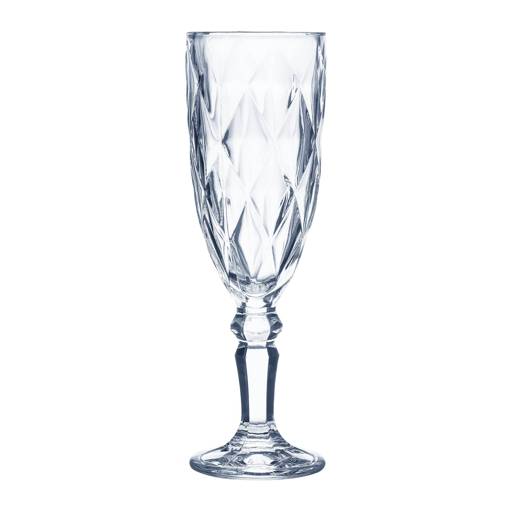
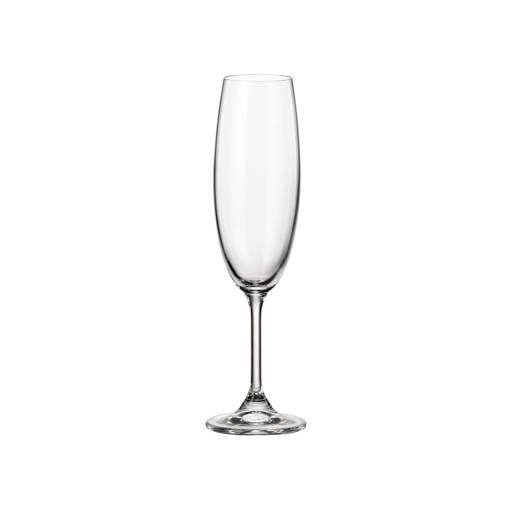
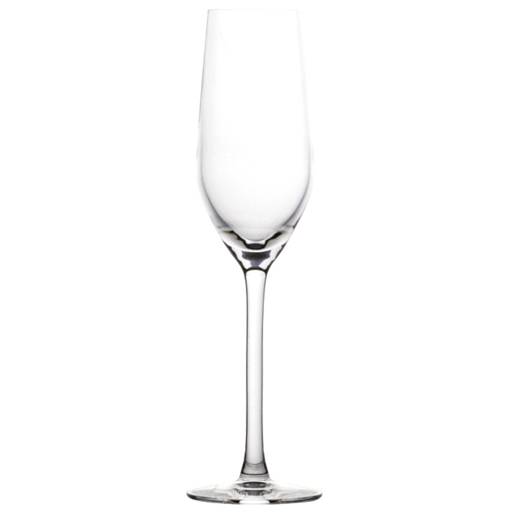
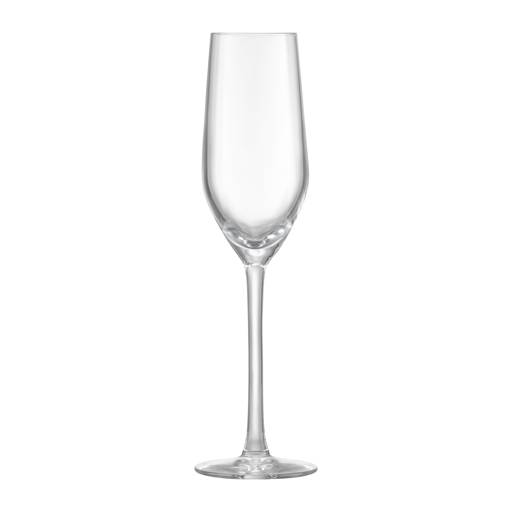
The most recognizable champagne glass is the tall, narrow flute. Its purpose is to:
It is perfect for champagne, prosecco, cava, and other sparkling wines.
Increasingly common is the tulip-shaped glass, which combines slenderness with a slightly flared bowl. It allows for better aroma enhancement while maintaining effervescence.
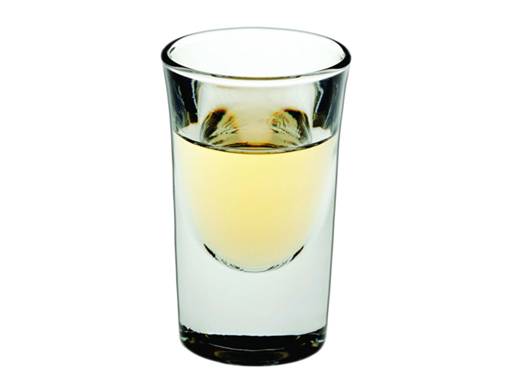
Classic vodka glasses are small, simple, and without a stem or with a very short base. Their purpose is quick and convenient serving of chilled spirits.
The most common capacities:
They are worth having in your set, especially if you often host social gatherings.
Whisky requires a special presentation. It is most often served in:
Thick bottoms and solid glass allow for enjoyment of both the flavor and the ritual of drinking.
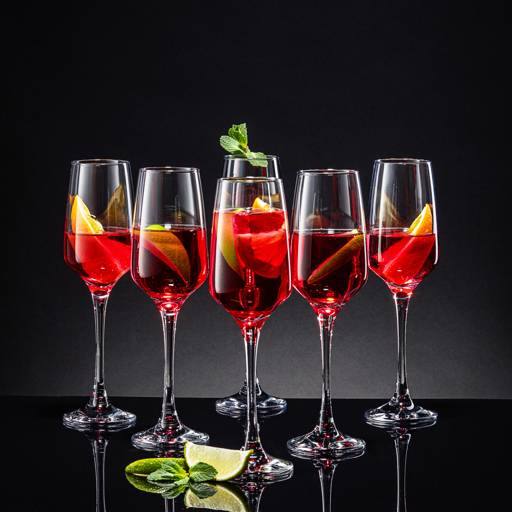
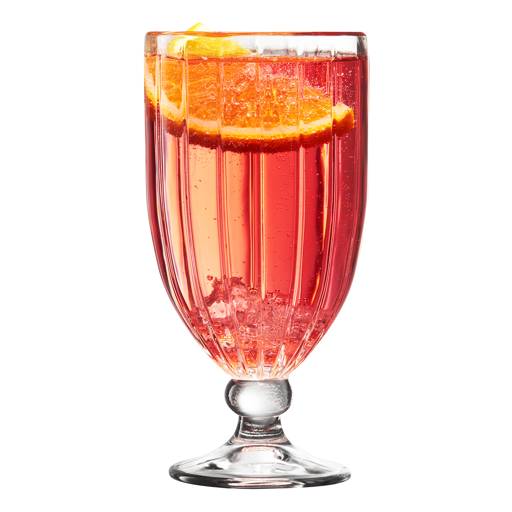
The distinctive V-shaped glass is a bar classic. Ideal for:
The wide bowl showcases the color of the drink and makes it easier to garnish.
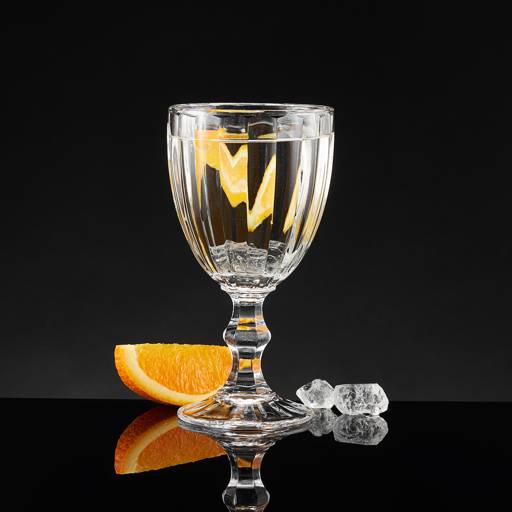
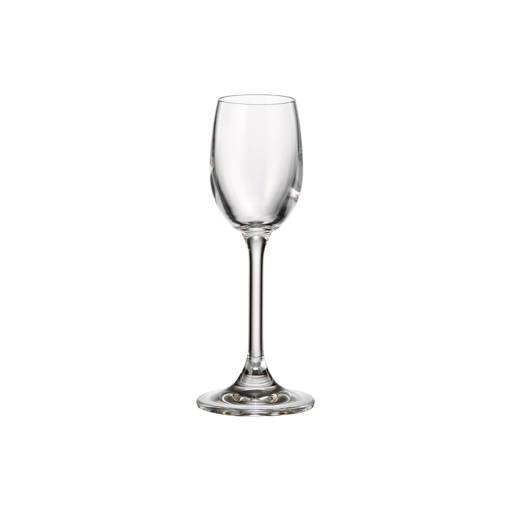
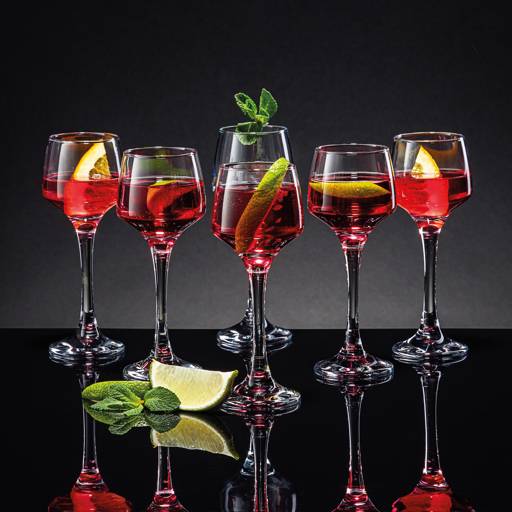
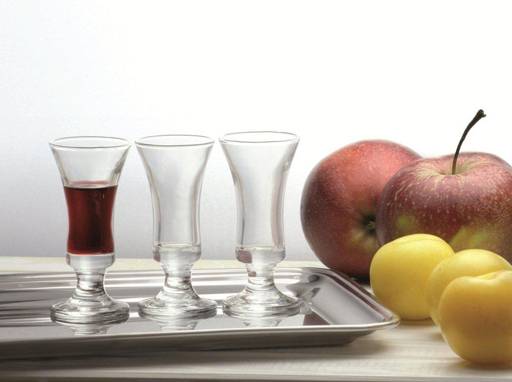
Smaller stemmed glasses, often with decorative forms, are used for liqueurs and dessert liquors. They are ideal for ending a dinner.
What are the most versatile glasses?
White wine glasses are the most versatile, and they are also suitable for rosé and light red wines.
Can wine glasses be washed in a dishwasher?
Most modern Ambition glasses are dishwasher safe, but it's always worth checking the manufacturer's recommendations.
How many glasses should be in a set?
Sets of 6 pieces are most commonly chosen, ideal for family and guests.
Does the shape of the glass really affect the taste?
Yes, it affects the aroma, temperature, and sensation of the drink.
What is the difference between white and red wine glasses?
Red wine glasses are larger and have a wider bowl to aerate the wine and bring out its aromas, while white wine glasses are sleeker and smaller to maintain a lower temperature and freshness of the drink.