You buy good loose leaf tea, but end up with a bitter, astringent brew in your mug? Most often, it's not the tea at fault, but water that is too hot or a brewing time that is too long. Every type of tea requires a different temperature and time, and a difference of a few degrees or one minute really changes the taste. In this guide, we will show you how to brew black, green, white, and oolong tea, how much loose tea to measure, and which tea infusers will facilitate your daily ritual.
You don't need specialized equipment to brew loose-leaf tea. All you need are a few simple accessories that will easily fit on your kitchen counter:
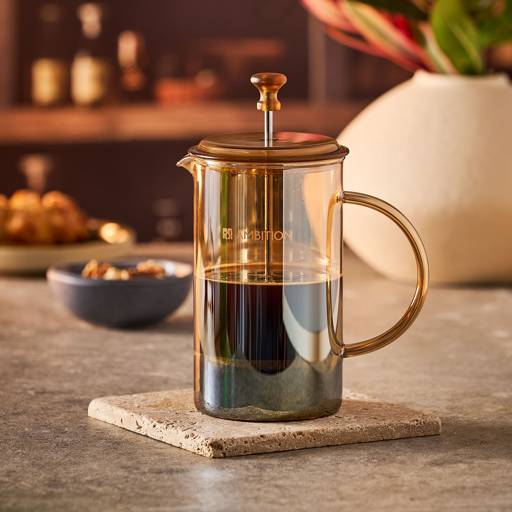
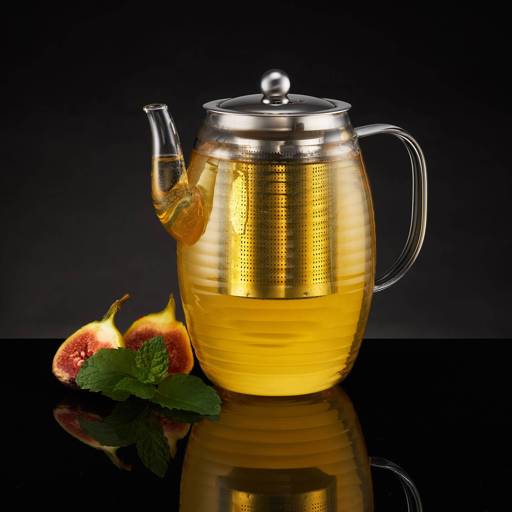
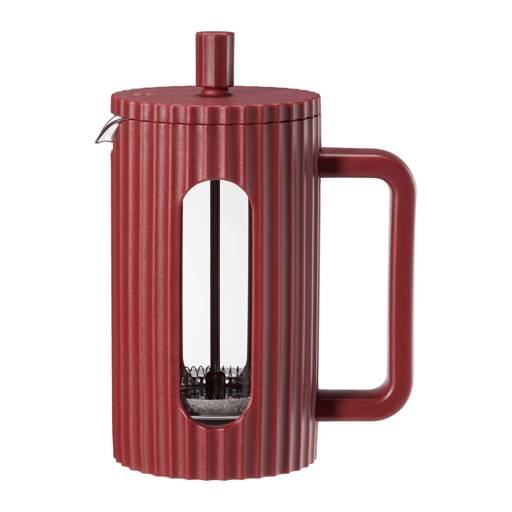
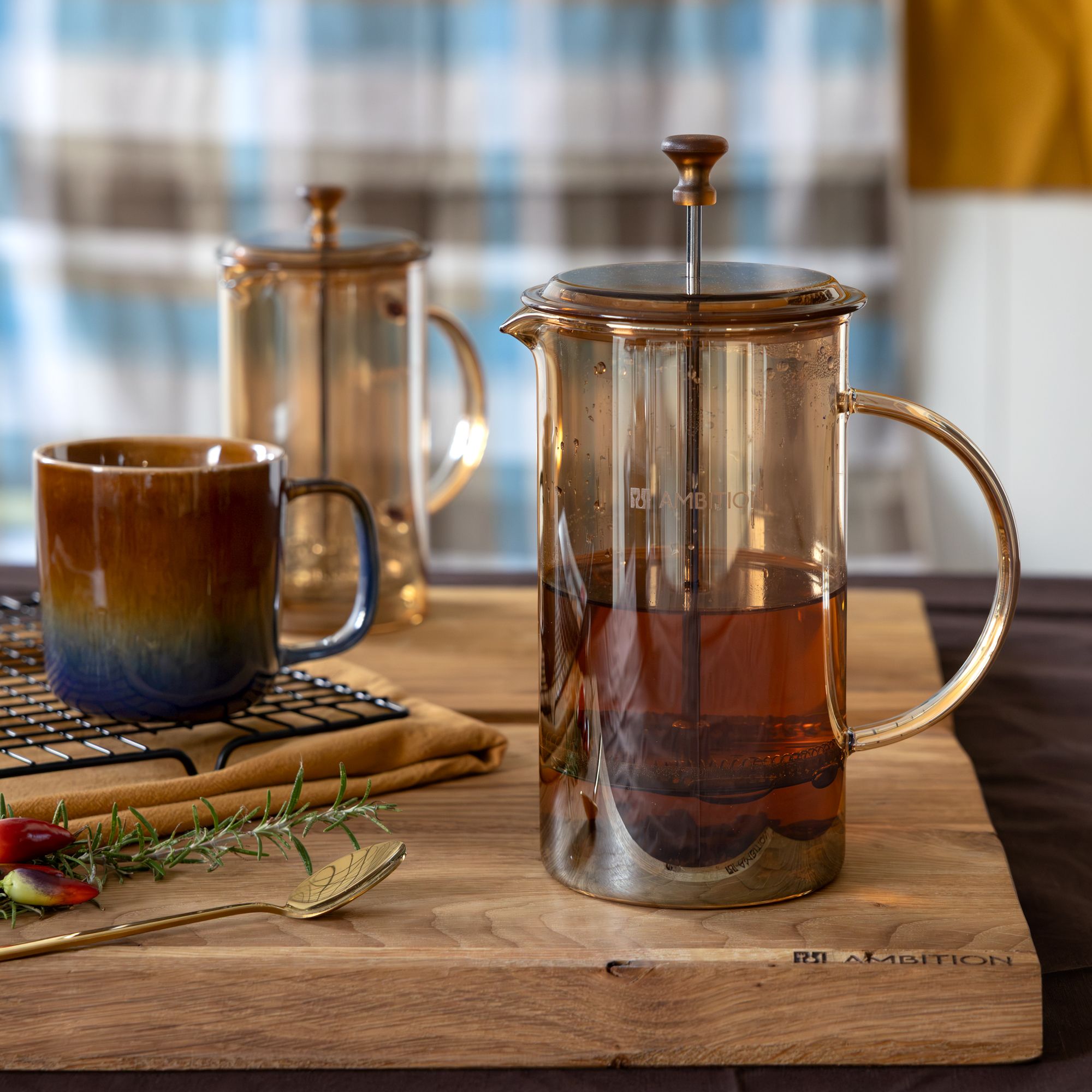
A mesh strainer or tea ball works great when brewing a single portion in a mug. Choose models with fine perforation and a spacious interior, like the spherical tea infuser Steel made of stainless steel. When drinking tea together or brewing a larger batch for guests, a French press will be more convenient. Transparent glass allows you to monitor the brew's color, while the plunger filter instantly separates the leaves and stops the brewing process. If you already have such a pot, also check out how to brew coffee in a French Press.
This simple method works for most teas. You only need to adjust the water temperature and steeping time, which you can find in the cheat sheet below.
Measure the tea leaves
Use 2–3 g of tea, which is a flat or slightly rounded teaspoon, per 200–250 ml of water. For a 1 l teapot, use 4–5 teaspoons. Large, loosely rolled leaves are lighter, so add a bit more of them.
Heat the water
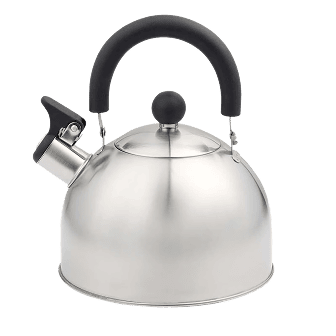
Boil fresh water. For green and white tea, wait a few minutes with the kettle lid open until the water cools down to 70–85°C.
Warm the vessel
Rinse the mug or teapot with a little hot water and pour it out. This prevents the infusion from dropping temperature rapidly in cold glass.
Pour and time it
Place the leaves into an infuser, pour the water over them, and set a timer. Just one minute too long can turn a delicate green tea into a bitter brew.
Separate the leaves
Once the time is up, remove the strainer or slowly press down the plunger and pour the tea into mugs. Leaving the leaves in the water will continue to release tannins.
Pour tea from a French press straight into mugs or another teapot. In the 1 l Amber infuser, you can prepare tea for 3–4 people, while the amber glass beautifully displays the color of the brew on the table. Just remember to hand wash it, as it is not dishwasher safe.
Every tea prefers something different. Refer back to this cheat sheet whenever you reach for a new tin. The values provided are a starting point, so also check the tea manufacturer's recommendations.
95–100°C, 3–5 minutes. Shorter for delicate Darjeelings, longer for strong breakfast blends that you drink with milk.
70–80°C, 2–3 minutes. Boiling water scaldes the leaves and extracts bitterness from them, which is why this tea requires patience the most.
75–85°C, 4–5 minutes. Delicate buds need a lower temperature, but a slightly longer time.
85–95°C, 3–5 minutes. The rolled leaves unfold slowly, and you can brew the same leaves several times.
95–100°C, 3–5 minutes. Before the first brew, rinse the leaves with boiling water for about 10 seconds and pour this water away.
100°C, 5–8 minutes. Infusions without tea leaves do not turn bitter, so longer brewing will extract more flavor from them.
If your tea doesn't taste the way you expect, it is usually enough to correct one of these elements:
Good quality loose leaf tea often withstands several brewings. Green tea and oolong usually yield 2–3 tasty infusions, and some oolongs even more. With each subsequent brewing, extend the time by 30–60 seconds. Black tea tastes best after the first brewing, the second one will be noticeably weaker.
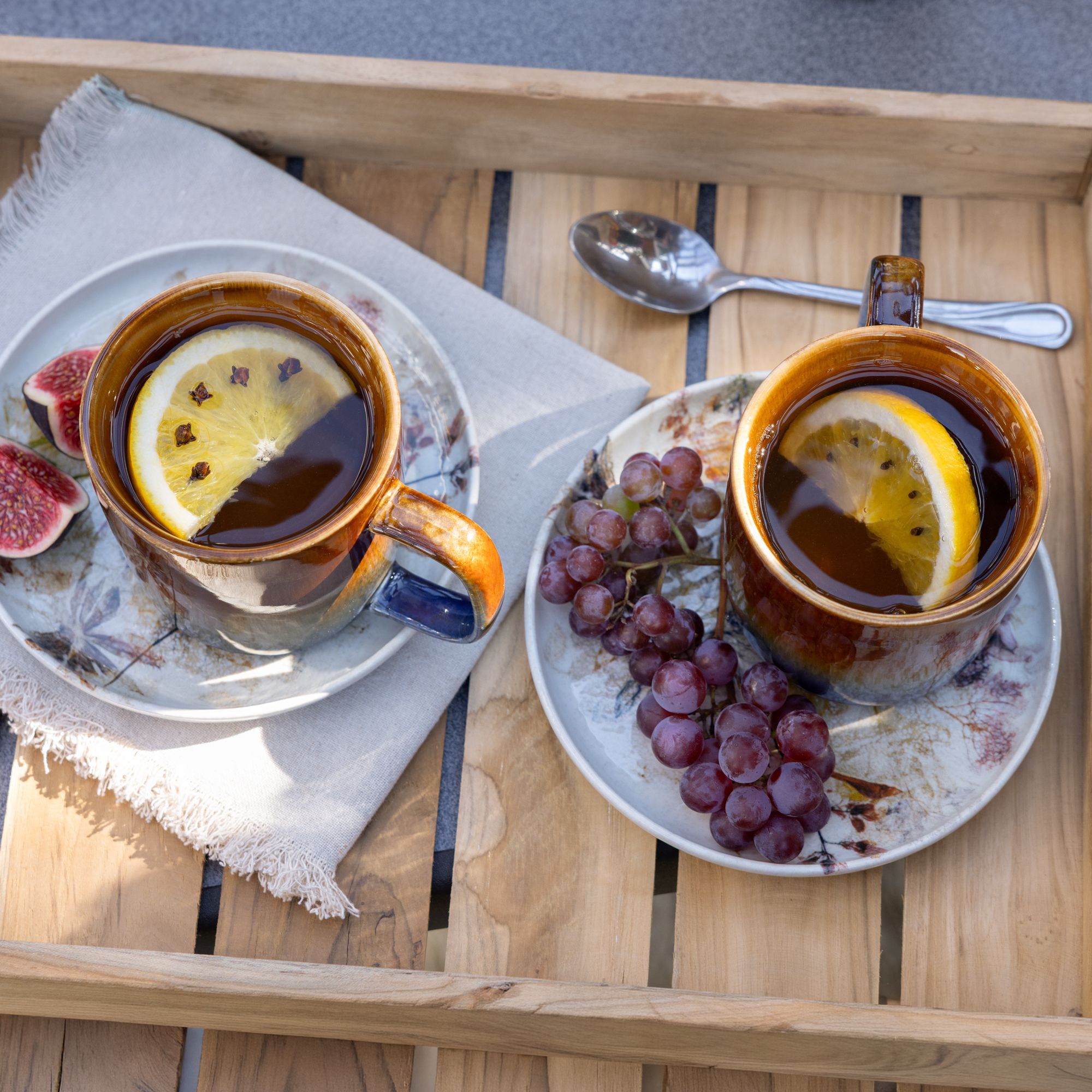
Serve the prepared tea in a mug that sits comfortably in your hand. The porcelain Madera mug with a capacity of 360 ml and reactive glaze is dishwasher safe and microwaveable. You can find more designs among our coffee and tea mugs, and for winter evenings check out our post about Christmas mugs.
How long to brew loose leaf tea?
It depends on the type: black tea 3–5 minutes, green tea 2–3 minutes, white tea 4–5 minutes, and herbal infusions 5–8 minutes.
Why is green tea bitter?
Most often due to water being too hot or brewing for too long. Pour water at a temperature of 70–80°C over it and remove the leaves after 2–3 minutes.
How much loose leaf tea per mug?
About 2–3 g, which is a flat or slightly rounded teaspoon per 200–250 ml of water. Measure 4–5 teaspoons for a 1 l teapot.
How to cool down water for green tea without a thermometer?
Boil the water and leave it in an open kettle for a few minutes. You can also add a splash of cold boiled water to the boiling water.
Can loose leaf tea be brewed in a French press?
Yes, a French press pot works great for loose leaf tea. Once the time has elapsed, press the plunger down and pour the infusion immediately so the leaves do not continue brewing.
Does loose leaf tea need to be rinsed before brewing?
Usually no. A quick rinse with boiling water is mainly used for pu-erh and some oolongs.
How to wash the Amber infuser?
Hand wash it with warm water and mild liquid soap, as it is not dishwasher or microwave safe. Rinse the steel filter immediately after brewing before the leaves dry up.
On the ambitionhome.com site, we use cookies for functional, analytical, and advertising personalization purposes. By choosing "Accept All," you consent to the use of cookies. Cookies Policy